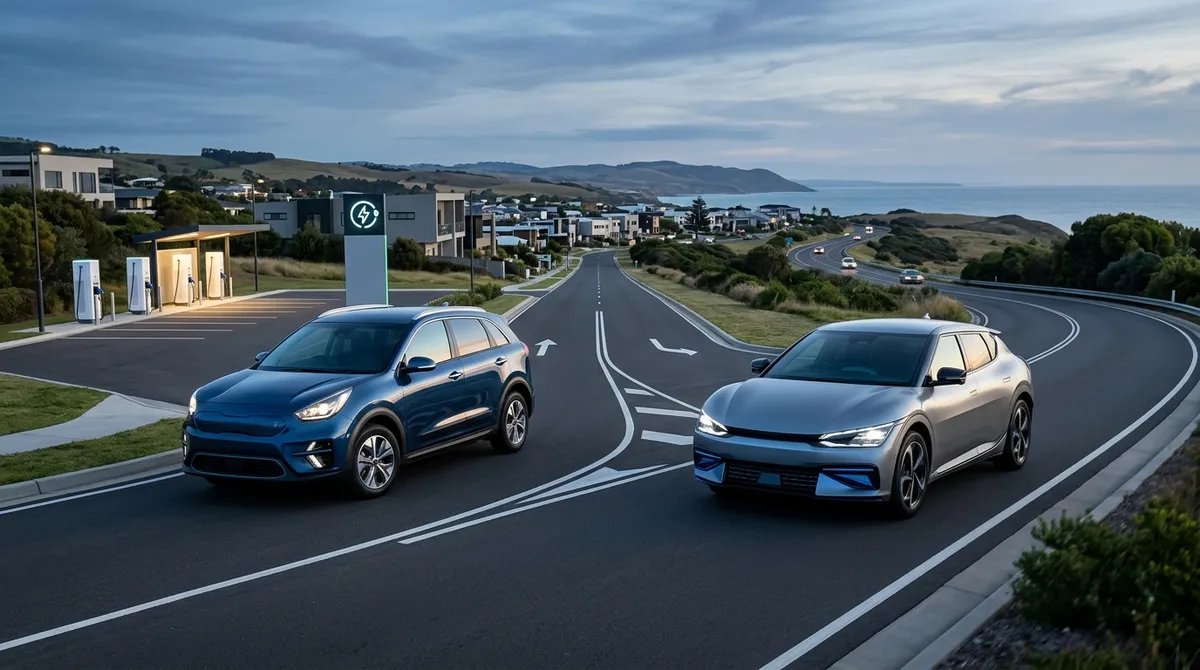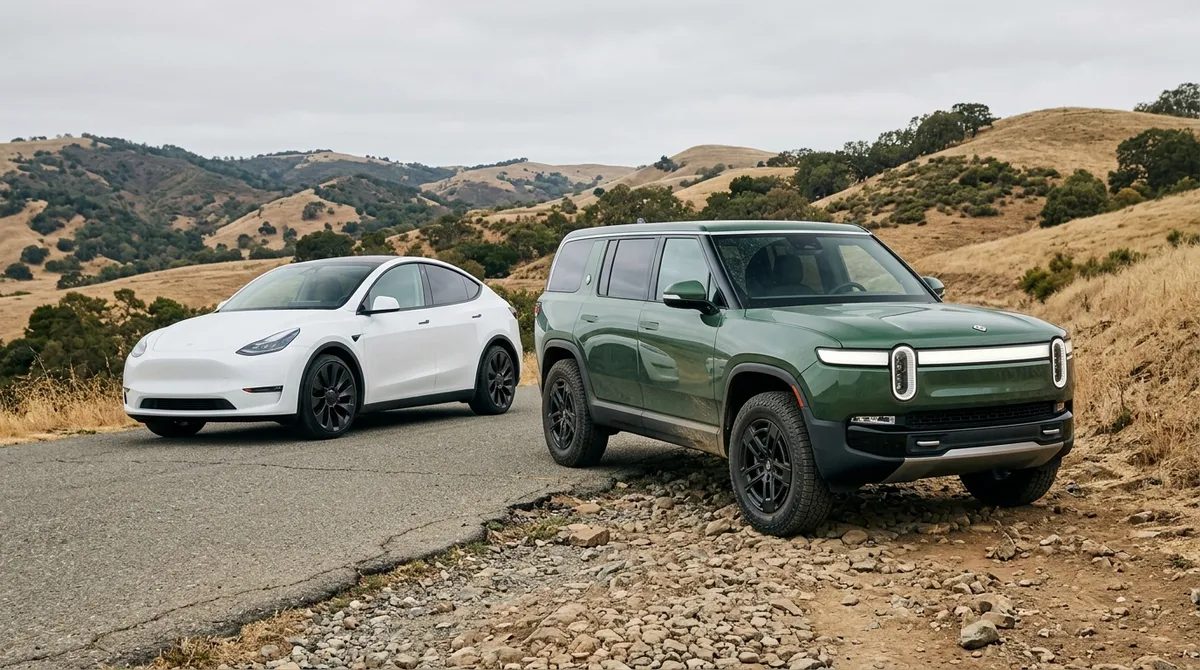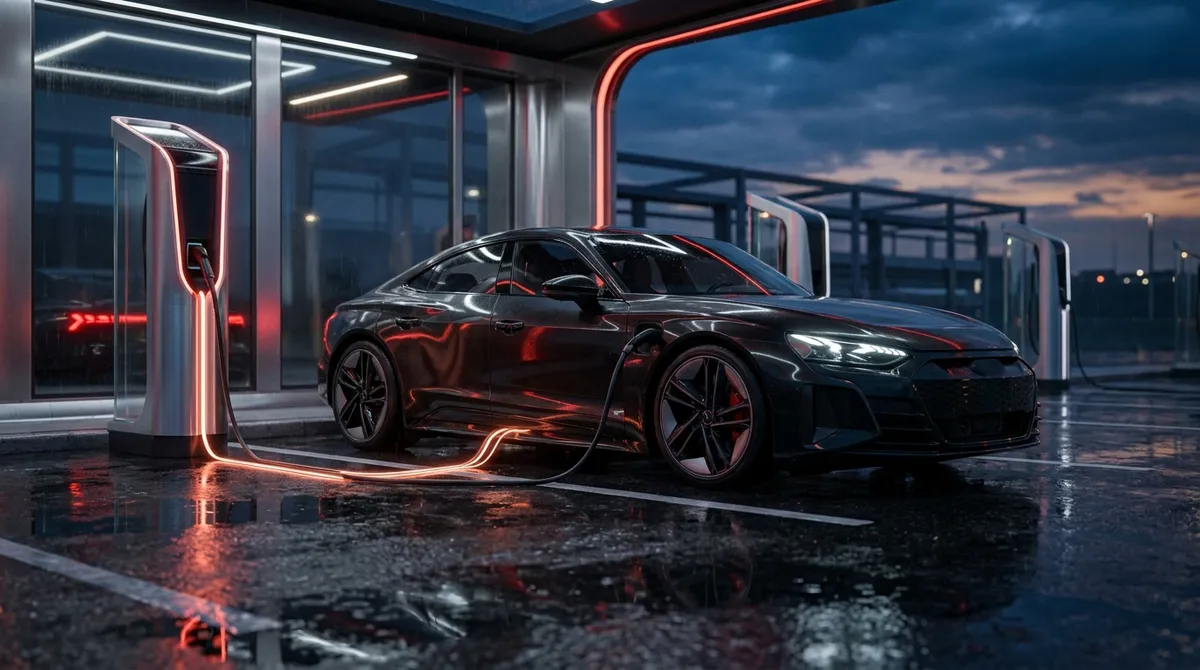
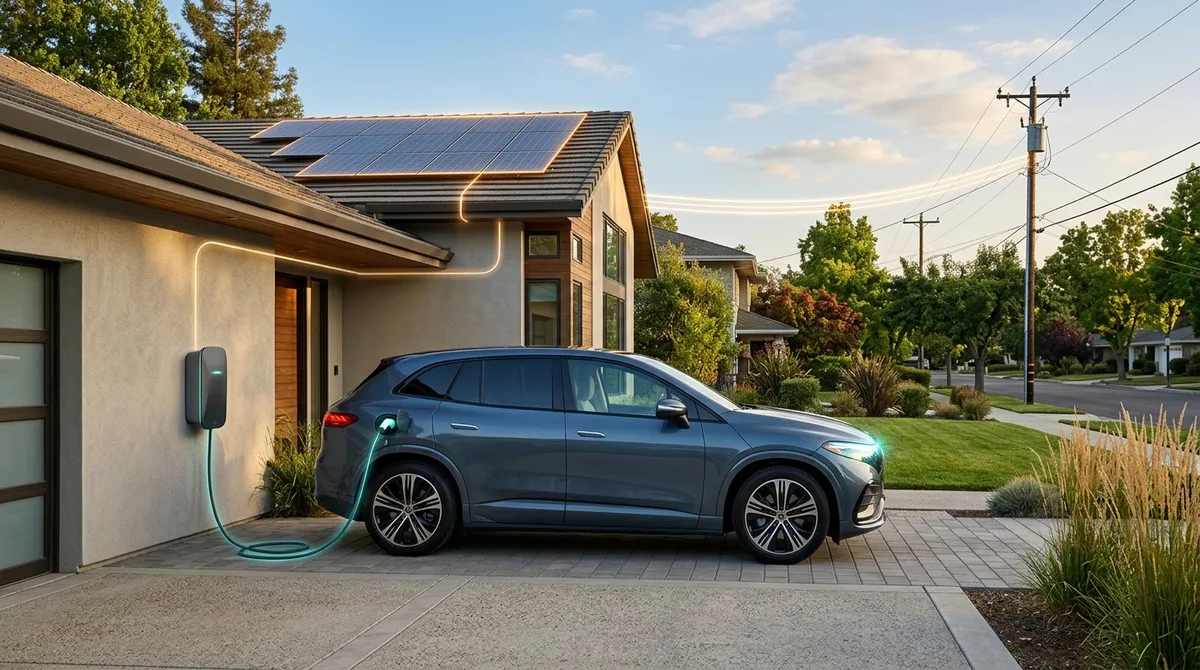
Your EV might already be a home backup battery — you just need the right utility program and charger to unlock it. PG&E has expanded its vehicle-to-everything (V2X) bidirectional charging pilot programs, adding a substantial wave of new vehicles from Kia, Volvo, Polestar, Nissan, and a broad sweep of GM's electric lineup. If you're a PG&E customer weighing an EV purchase, or you already own one of these vehicles, this expansion is worth your attention.
The core idea: instead of your car simply drawing power from the grid, it can push electricity back — into your home during an outage, or into the grid to help manage demand. PG&E's PowerHouse demo home exists specifically to show what this looks like in practice. As California continues to grapple with grid strain and outages, the utility is clearly betting that your driveway is part of the solution.
Every EV That Now Qualifies
The expanded eligibility list covers a wide range of models and model years. Importantly, bidirectional charging requires both a compatible vehicle and a compatible charger — not every combination works, so pay close attention to the pairing.
Paired with the dcbel Ara Charger
- Nissan Leaf (2018–2025)
- Volvo EX90 (2025)
- Polestar 3 (2025)
Paired with the Wallbox Quasar 2 Charger
- Kia EV9 (2024 and newer)
- Kia EV6 (2025 and newer)
GM's Growing Electric Fleet
General Motors brings the largest single-brand expansion. These models are now included in PG&E's program:
- Chevrolet Silverado EV (2024+)
- Chevrolet Equinox EV (2024+)
- Chevrolet Blazer EV (2024+)
- Chevrolet Bolt EV (2027+)
- GMC Sierra EV (2024+)
- GMC Hummer EV (2026+)
- Cadillac LYRIQ (2024+)
- Cadillac ESCALADE IQ (2025+)
- Cadillac ESCALADE IQL (2025+)
- Cadillac OPTIQ (2025+)
- Cadillac VISTIQ (2026+)
- Cadillac CELESTIQ (2025+)
Already Established in the Program
- Ford F-150 Lightning (2022+)
- Tesla Cybertruck
That's a genuinely broad cross-section of the current EV market — from a $28,000 Chevy Equinox EV to a six-figure Cadillac CELESTIQ. The model year cutoffs matter too: if you're eyeing a Bolt EV for V2X capability, you're looking at 2027 or later.
Why the Charger Pairing Matters as Much as the Car
One thing this expansion makes clear: bidirectional charging is a system, not a feature you simply switch on. The Nissan Leaf has supported CHAdeMO-based V2H (vehicle-to-home) technology for years, but making it work within PG&E's program means pairing it with the dcbel Ara specifically. Similarly, the Kia EV9 and EV6 need the Wallbox Quasar 2 — not just any bidirectional-capable unit.
For the GM vehicles and the Ford F-150 Lightning, the brief doesn't specify a required charger pairing, which suggests those vehicles may use a different integration path — possibly through Ford's Intelligent Backup Power system or GM's own energy management approach. If you own one of those trucks, it's worth contacting PG&E directly to confirm current hardware requirements before investing in new equipment.
The charger itself represents a real upfront cost, and that's the honest part of this conversation that tends to get glossed over in the excitement around V2X. The dcbel Ara and Wallbox Quasar 2 are not budget units. PG&E's program includes incentives, but the brief doesn't detail exact dollar amounts — check with PG&E directly for current rebate figures before building your budget.
What You Can Actually Do With This
Bidirectional charging opens three practical use cases, and understanding which one motivates you helps clarify whether the setup pencils out.
Home backup power (V2H): During a grid outage, your EV's battery pack can run essential loads in your home. A vehicle with 100+ kWh of usable capacity — like the GMC Hummer EV or Cadillac ESCALADE IQ — can theoretically power a typical home for days, depending on consumption. Even smaller packs, like the Nissan Leaf's, can cover lights, a refrigerator, and device charging through a multi-day event.
Grid services (V2G): PG&E's program goes beyond just your house. When your car is plugged in and you're not using it, the utility can draw on that stored energy to help balance grid demand — and compensate you for it. This is where the utility's interest really lies, and why they're expanding eligibility aggressively.
Energy arbitrage: In time-of-use rate structures — common in California — you can charge your EV overnight when electricity is cheap, then either use that stored power during peak hours or export it back. Over time, this can meaningfully offset energy costs, though the actual savings depend heavily on your rate plan and driving habits.
Is This Worth It for You Right Now?
If you already own a qualifying vehicle and you're a PG&E customer, the calculus is simpler: look into what charger you'd need and what incentives are currently available. The infrastructure investment is the main variable.
If you're shopping for an EV and V2X capability is a priority, this list gives you a concrete shortlist. The Kia EV9 and EV6 stand out as relatively accessible entry points with clear charger requirements and a manufacturer that has leaned into bidirectional functionality. The F-150 Lightning remains arguably the most proven V2H vehicle on the market, with Ford's system having real-world track record behind it.
The GM additions are notable in sheer volume — and the inclusion of the 2027 Bolt EV suggests the platform is getting a meaningful update — but several of those models are early in their eligibility windows, meaning real-world V2X performance data is still accumulating.
California's grid pressures aren't easing. Utilities treating parked cars as distributed energy assets isn't a fringe concept anymore — PG&E's expanding program is evidence that it's becoming infrastructure policy. Whether your current EV is on this list or you're planning your next purchase around it, now is the right time to understand exactly what bidirectional charging requires and what it can return.