
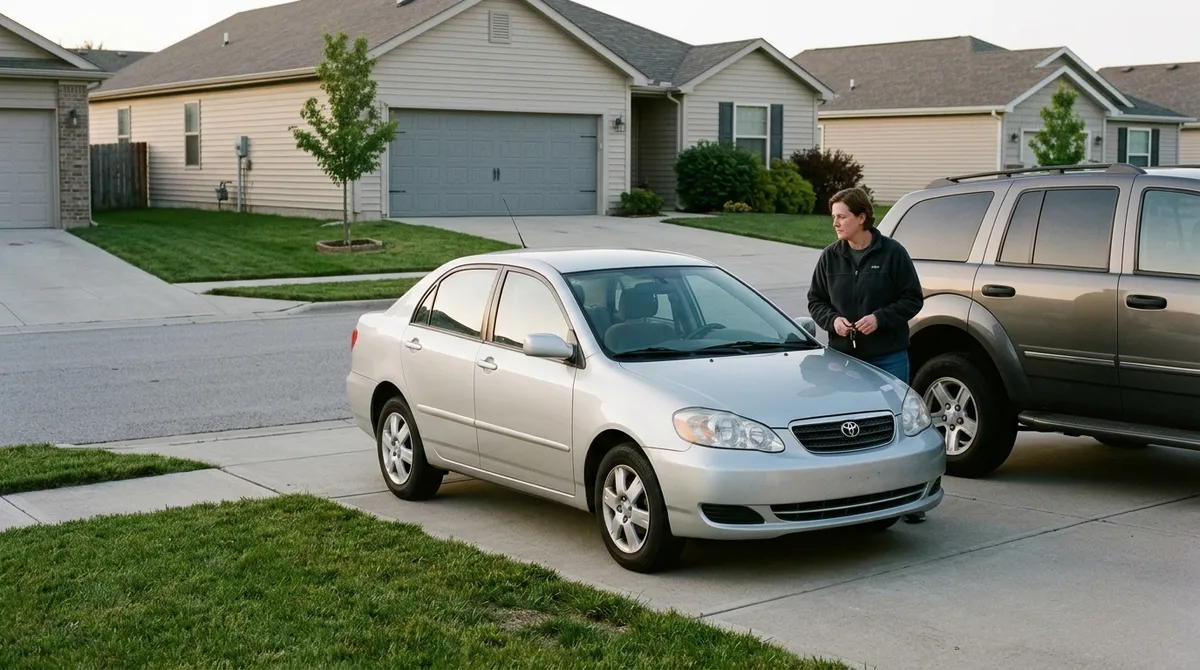
The American automotive landscape is witnessing a significant shift as buyers increasingly turn their backs on larger, pricier trucks and SUVs in favor of smaller, more budget-friendly vehicles. This trend is not merely a preference; it is a reaction to the economic pressures that have made owning a vehicle more challenging than ever. With average new vehicle prices hovering around $50,000 and monthly payments climbing to nearly $768, it’s no wonder consumers are seeking affordable alternatives.
The Shift in Consumer Behavior
For years, larger vehicles like SUVs and trucks were celebrated as symbols of status and capability. However, current economic realities are prompting a careful reassessment of vehicle choices. High transaction prices and rising loan interest rates have compelled many drivers to adopt a more pragmatic approach.
As the WS Insider article highlights, there is a notable movement towards compact cars, subcompact SUVs, and midsize vehicles. This new direction in consumer behavior suggests that buyers are prioritizing affordability and practicality over size and curb appeal. Car buyers are not just looking for smaller cars; they are looking for a better value that aligns with their budget.
Understanding the Economic Pressures
Why is this shift occurring now? Many consumers are facing the hidden costs associated with large monthly car payments. With prices for new vehicles nearing $50,000, buyers are finding themselves squeezed. The average vehicle payment of around $768 per month is not sustainable for many, making owning an SUV or truck a financial burden instead of a benefit.
The automotive industry has largely focused on selling high-margin trucks and luxury SUVs, but this strategy appears to be backfiring as economic conditions change. Many automakers may need to rethink their product strategy if they want to maintain their market share in a landscape that increasingly favors affordability.
Why Smaller Vehicles Are Winning
The resurgence of compact cars offers a silver lining for budget-conscious and eco-friendly consumers. Smaller vehicles are often more fuel-efficient, which translates to savings at the pump. This practical consideration is attracting drivers who are looking to balance their budgets with environmental consciousness. Compact cars are not just cheaper at purchase—they're also less expensive to maintain over time, a crucial factor for buyers already feeling the pinch from higher loan payments.
Best Options for Budget-Conscious Buyers
With so many consumers exploring alternatives to larger vehicles, it’s essential to consider which smaller vehicles provide the best value. Some top contenders in the market include:
- Honda Civic: Known for its reliability and resale value, it offers a range of features while remaining affordable.
- Toyota Corolla: This compact car combines fuel efficiency with a reputation for durability, making it a smart choice.
- Hyundai Kona: A subcompact SUV that offers versatility without a hefty price tag.
- Mazda3: Praised for its handling and style, it’s an attractive option for those who want an enjoyable driving experience without breaking the bank.
By focusing on these models and others like them, consumers can navigate the shift towards smaller vehicles and find options that meet their financial and personal needs.
The Implication for Automakers
The bottom line is clear: as the landscape of car buying evolves, automakers will have to adapt. The era of oversized vehicles may not be over entirely, but the growing interest in smaller, more efficient cars reflects changing consumer priorities. If manufacturers want to capture the attention of today’s buyers, they must refine their offerings to align with this newfound desire for practicality and value.
As the dust settles on the current economic turmoil, it seems that the smaller vehicle movement isn't just a passing trend but rather a fundamental shift in how Americans approach car ownership. In the coming years, expect to see automakers responding to consumer demand for more affordable choices that cater to this emerging market segment.