
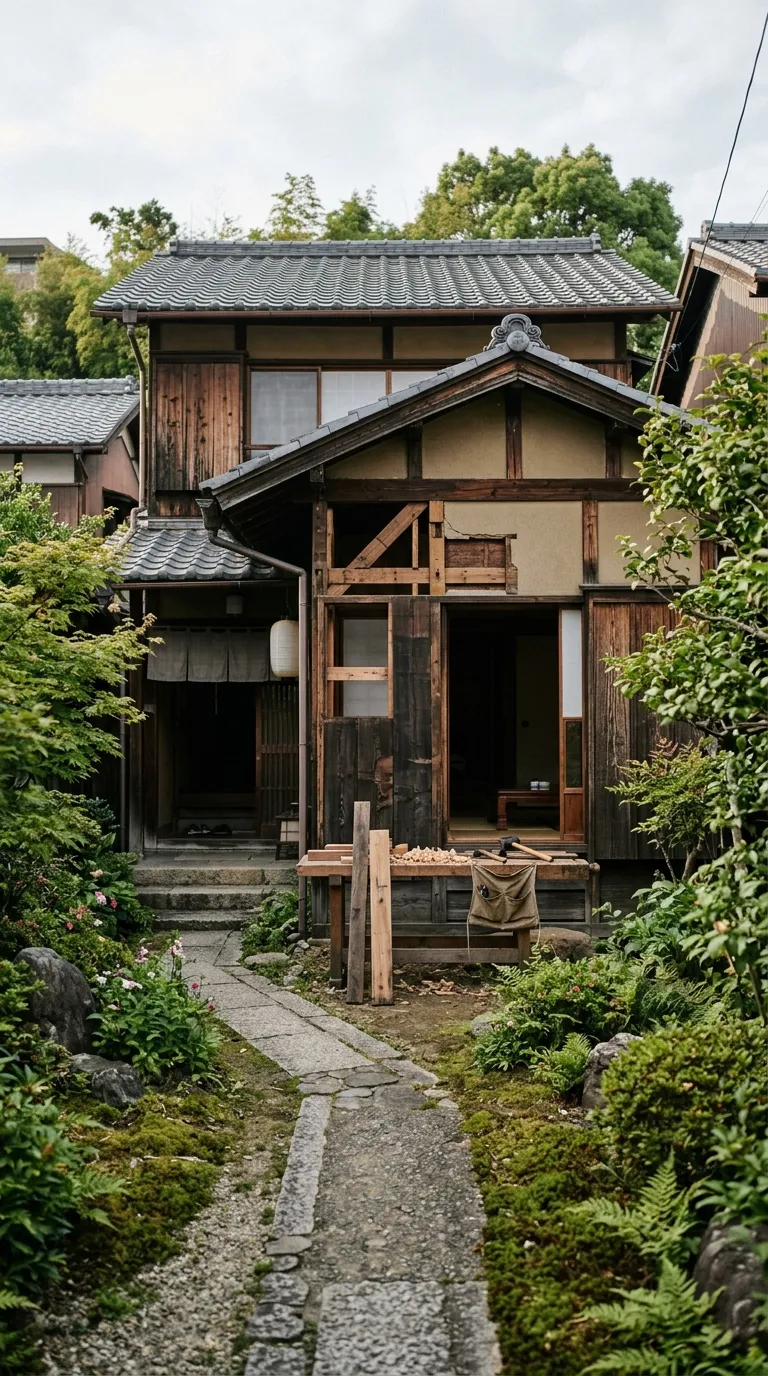
Japan's ongoing construction boom might seem counterintuitive, especially when considering the staggering number of vacant homes across the country—over 9 million, in fact. This paradox highlights a critical inflection point in architectural practice, pushing the concept of "post-growth architecture" to the forefront of sustainable building discussions in Asia and beyond. As demographic shifts and resource limitations set in, it's clear that Japan's future cannot rely solely on new builds; instead, it beckons a more adaptive, community-driven approach to architecture.
The Paradox of Vacant Homes
Japan has experienced a significant decline in population since peaking in 2008, yet the construction industry continues unabated. The reasons are complex: cultural attachment to newness, urban expansion policies, and an economy that relies heavily on construction for stimulus. However, with more homes standing empty than ever before, it raises fundamental questions about the direction of urban planning. The challenge is not merely to keep erecting new buildings, but to acknowledge and repurpose what already exists.
What is Post-Growth Architecture?
Post-growth architecture emphasizes sustainability, adaptation, and a consideration of community needs over unfettered expansion. It’s about rethinking how we approach the built environment, moving from a focus on growth to one that prioritizes resilience and resourcefulness.
Key Principles of Post-Growth Architecture:
- Reuse and Repair: Instead of demolishing vacant structures, architects can adapt and refurbish them, thereby conserving materials and reducing waste.
- Community Involvement: By involving local populations in redevelopment projects, architects can ensure that structures meet the actual needs of the community while promoting a sense of ownership and responsibility.
- Loose-Fit Design: This approach prioritizes flexible architectural solutions that can be readily altered or expanded as community needs change, avoiding overcrowded or underused spaces.
Inspiring Examples from Asia
Across Asia, architects are already applying these principles in various innovative ways. Japan, Taiwan, and South Korea are leading the charge with projects that reflect an understanding of both ecological sensitivity and demographic realities. In Japan, for instance, communities have begun embracing strategies that transform abandoned houses into vibrant hubs for local gatherings or workshops, often using locally sourced materials. This not only reduces the carbon footprint associated with new construction but also revitalizes community bonds.
Moreover, in Taiwan, architects are pioneering the use of discarded materials to create art and installations in urban areas. These projects not only beautify the landscape but serve as powerful testimonies to the potential inherent in what society often sees as waste.
The Importance of Community-Led Reconstruction
One of the most compelling aspects of post-growth architecture is the potential for community-led initiatives. Rather than relying on large construction firms, local labor can bring down costs and empower residents by involving them in the rebuilding process. This grassroots approach can counter the homogenizing effects of modern development, yielding spaces that resonate with local culture and identity.
How Loose-Fit Architecture Adapts to Climate Challenges
The need for buildings that can adapt to evolving climate challenges has never been so urgent. Architects and developers worldwide should take cues from the "loose-fit" concept, designing spaces that can change as climate conditions evolve or as community needs shift. This flexibility not only meets the immediate pressures imposed by climate change but also encourages sustainable development practices.
Conclusion: Embracing the Future
The alarming number of empty homes in Japan reveals pressing truths about the limitations of traditional growth models in architecture and urban planning. It's time for architects, policymakers, and communities to recognize the potential lying dormant in existing structures and adopt the principles of post-growth architecture. By doing so, they can contribute to creating sustainable, adaptive, and vibrant urban spaces that truly meet the needs of a changing world. Japan’s experience may well serve as a roadmap for the rest of Asia, ushering in an era of architectural innovation that values reuse, community engagement, and ecological stewardship over more traditional approaches to development.