
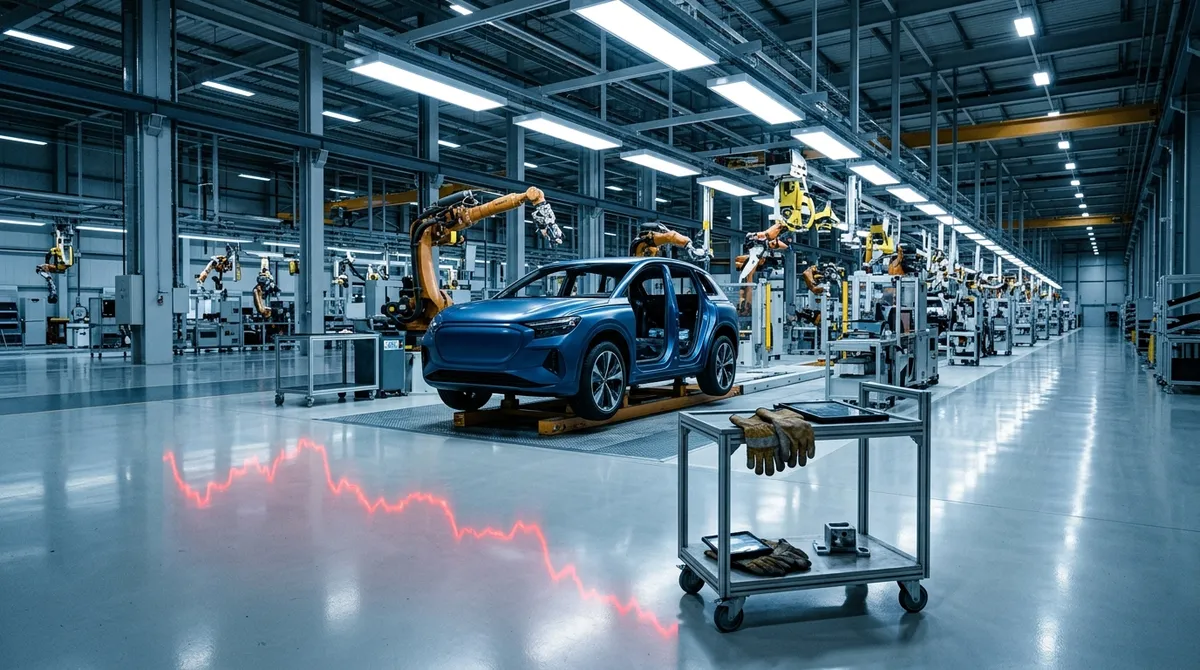
The global automotive industry is facing a potential crisis, as tens of thousands of jobs are being cut in response to declining demand, rising costs, and an ongoing transition to electric vehicles (EVs). This seismic shift raises important questions for workers and car buyers alike: what does this mean for the future of the industry and, more importantly, what will it mean for car prices?
Why Are Automakers Cutting Jobs?
The auto market is often described as dynamic, but the current climate is anything but normal. Widespread layoffs signal a severe response to a confluence of challenges: slowing consumer demand, heightened competition, and an economic environment that continues to pressure manufacturers.
Many legacy automakers have ramped up investments in EVs, attempting to stay relevant in a rapidly evolving market. However, these investments often come at the cost of traditional manufacturing jobs. As companies focus on integrating new technologies and navigating regulatory changes, they are also compelled to streamline their operations to reduce overhead. The result? A wave of layoffs that are hitting the industry hard.
Implications for Car Prices
For car buyers, the implications of these job cuts can be significant. As companies lay off employees, they are also reducing their production capabilities, which can create supply constraints. When coupled with the pressure of EV transitions, this could lead to higher prices for new vehicles.
Consumers are already dealing with inflated vehicle prices—a trend exacerbated by global supply chain disruptions. With fewer workers able to produce cars, manufacturers may find it necessary to raise prices even further, passing on the costs associated with these layoffs to buyers. In a market where affordability plays a crucial role, these price hikes could deter prospective car buyers, creating a ripple effect across the industry.
The Future of Legacy Automakers
As traditional manufacturers cut jobs and embrace new technologies, there is an urgent need to understand who might emerge as the winners and losers in this auto shakeout. For legacy players, staying relevant amidst the EV movement is crucial, but it requires balancing investment in new technologies while managing the implications of workforce reductions.
Startups and more flexible manufacturers might be better positioned to adapt quickly to changing market dynamics and consumer expectations. This growing divide poses questions about the long-term viability of traditional automakers that have historically dominated the market. Long-standing manufacturers must now redefine their strategies not just for financial viability, but to maintain customer trust and loyalty.
Conclusion
In summary, the wave of job cuts in the automotive industry signals not just a crisis for workers, but also a critical juncture for car buyers. As layoffs reshape how vehicles are produced and marketed, consumers can expect car prices to be increasingly influenced by these economic realities. For those invested in the automotive market, it’s a challenging time as the transition to EVs collides with the fallout from widespread layoffs, setting the stage for a transformative era in automotive history.