
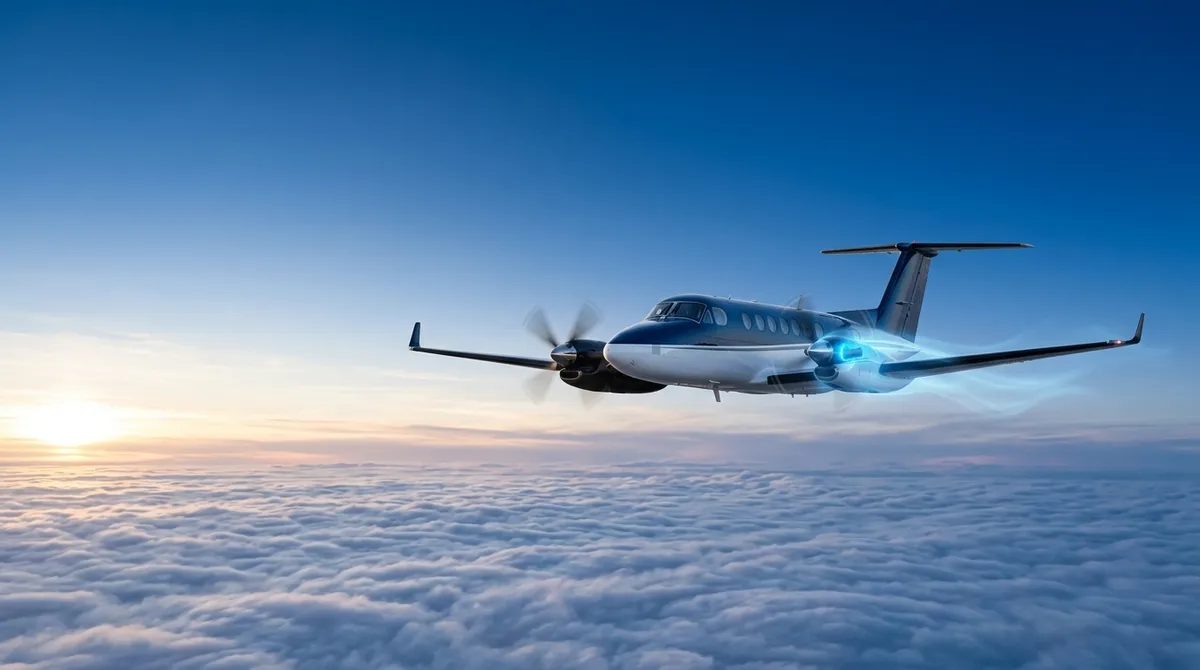
In a groundbreaking achievement for the aviation industry, a hybrid-electric aircraft has successfully soared above 30,000 feet for the first time. Developed in collaboration with NASA, this innovation is expected to lead the way toward cleaner, more fuel-efficient flying and revolutionize future regional air travel.
A Landmark Achievement in Aviation
The aircraft, powered by a megawatt-class hybrid-electric propulsion system, was mounted on a modified Saab 340B. This remarkable flight is not just a technological feat; it's a pivotal moment in the aviation industry's shift towards sustainability. The test flights indicated not just altitude capabilities but also impressive endurance, with one flight lasting over two hours.
Why 30,000 Feet Matters
Reaching an altitude of 30,000 feet is a significant milestone for hybrid-electric aircraft. Traditionally, aircraft are required to operate efficiently at higher altitudes to minimize drag and maximize fuel economy. Achieving this altitude confirms hybrid-electric technology's viability for operational conditions typical of commercial flights.
Historically, electric aircraft have struggled to come close to these heights due to their reliance on battery power, which can be limiting in terms of range and weight. The hybrid-electric system addresses these limitations by combining electric propulsion with traditional fuel, enabling longer flights and greater flexibility in aircraft design.
The Future of Short-Haul Flight
With global aviation increasingly pressured to cut emissions and operating costs, the success of hybrid-electric technology could be a game-changer. Unlike fully electric planes, which rely solely on battery capacity, hybrid-electric models can draw power from conventional fuel as needed, providing a practical bridge toward transitioning to sustainable air travel.
This milestone suggests that shorter regional flights, where operational efficiency and cost savings are crucial, could see hybrid-electric aircraft enter the market sooner than expected. Imagine smoother, quieter flights and reduced fares as airlines capitalize on lower fuel costs.
NASA and GE's Collaboration
NASA's partnership with GE Aerospace on this aircraft showcases the potential of public-private collaborations in aviation innovation. By modifying an existing aircraft design to serve as a testbed, the team could gather crucial data to assess hybrid-electric performance in real-world conditions — a key factor in moving these technologies from concept to market viability.
As the industry takes notes from this flight, manufacturers and airlines alike will likely embark on developing their own hybrid solutions. This could lead to a new generation of eco-friendly aircraft built for efficiency and sustainability.
Conclusion
This pioneering flight marks not just a scientific achievement but a monumental step toward reshaping the landscape of air travel. As the aviation industry looks for sustainable answers to its carbon footprint, the success of hybrid-electric aircraft could herald a new standard: cleaner, cheaper short-haul flights. Keep an eye on this developing technology; it's just getting airborne.